
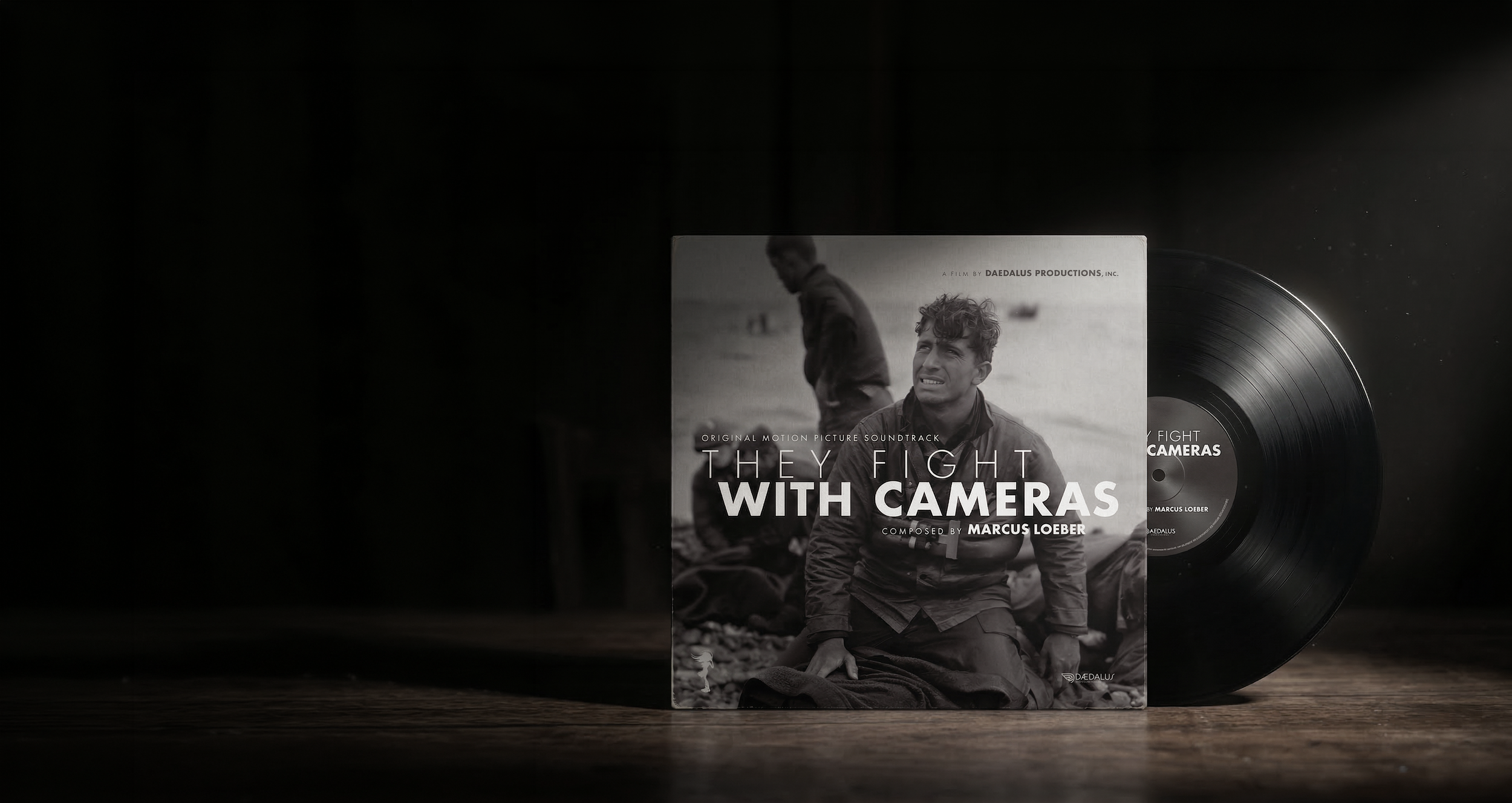
The Original
SounDtrack
An original score written from Omaha Beach to Dachau. Composed by Marcus Loeber.
“I always try to distill everything to something that is reduced to a pure emotion.”
— Marcus Loeber — on composing the score.
The Score
Music written for a film about seeing
They Fight With Cameras is a documentary about a man who spent his life pointing a camera at what others walked past. Walter Rosenblum photographed D-Day from the shore, followed the Allied advance through France, and was among the first American soldiers to enter Dachau. He did it through a lens. Marcus Loeber composed music for what that felt like from inside.
The score does not illustrate the archive. It inhabits it — locating the interior of images that were never meant to have sound.
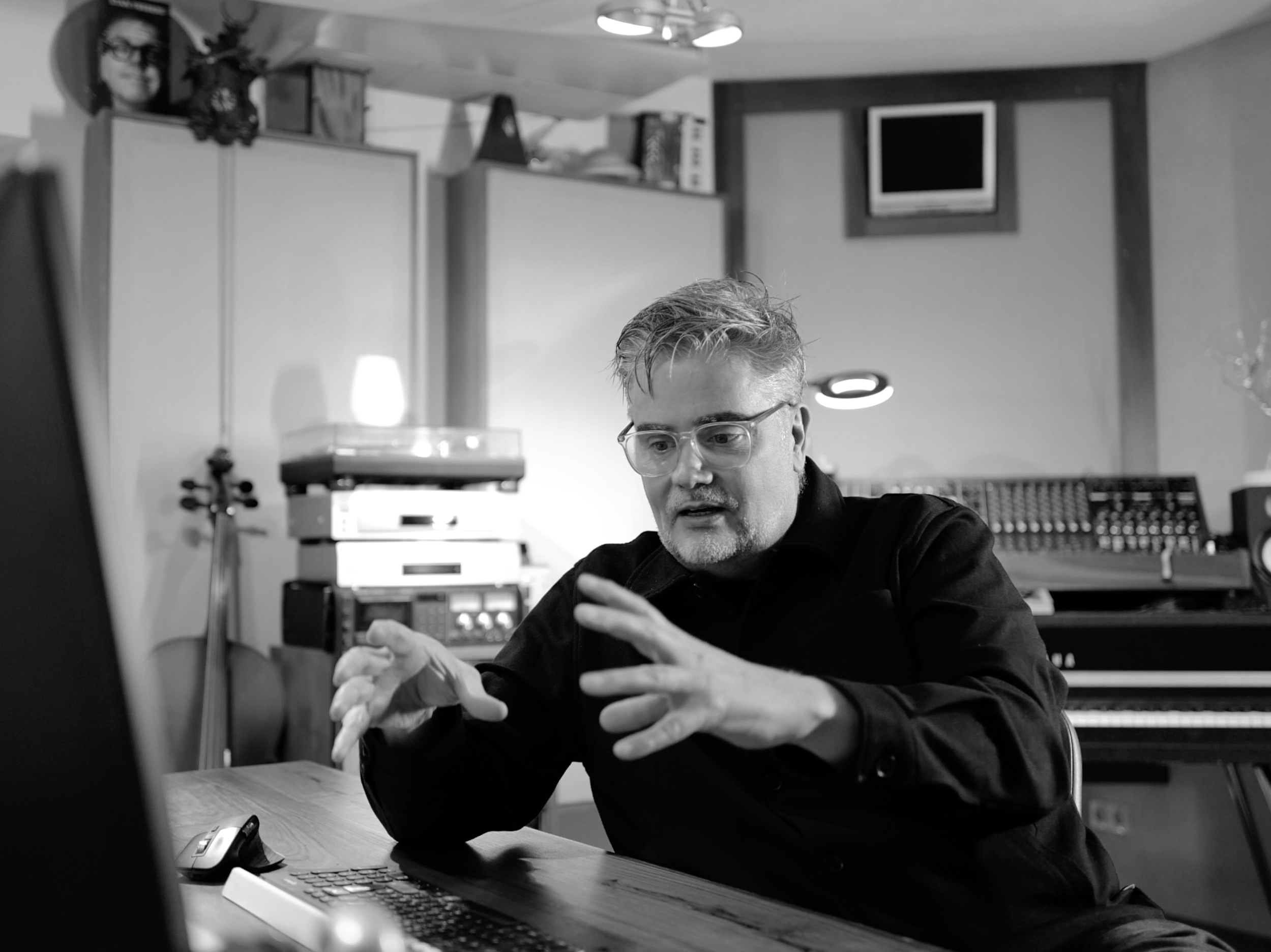
Distilled to
pure emotion
Loeber's method began before a single note was written. He traveled to Omaha Beach and stood on the ground where Rosenblum had stood — looking across the massive shore, trying to understand what it meant to cross it under fire. He went to Dachau. He read the letters.
The music came out of that. Not from the archive, but from the act of trying to imagine being inside it.

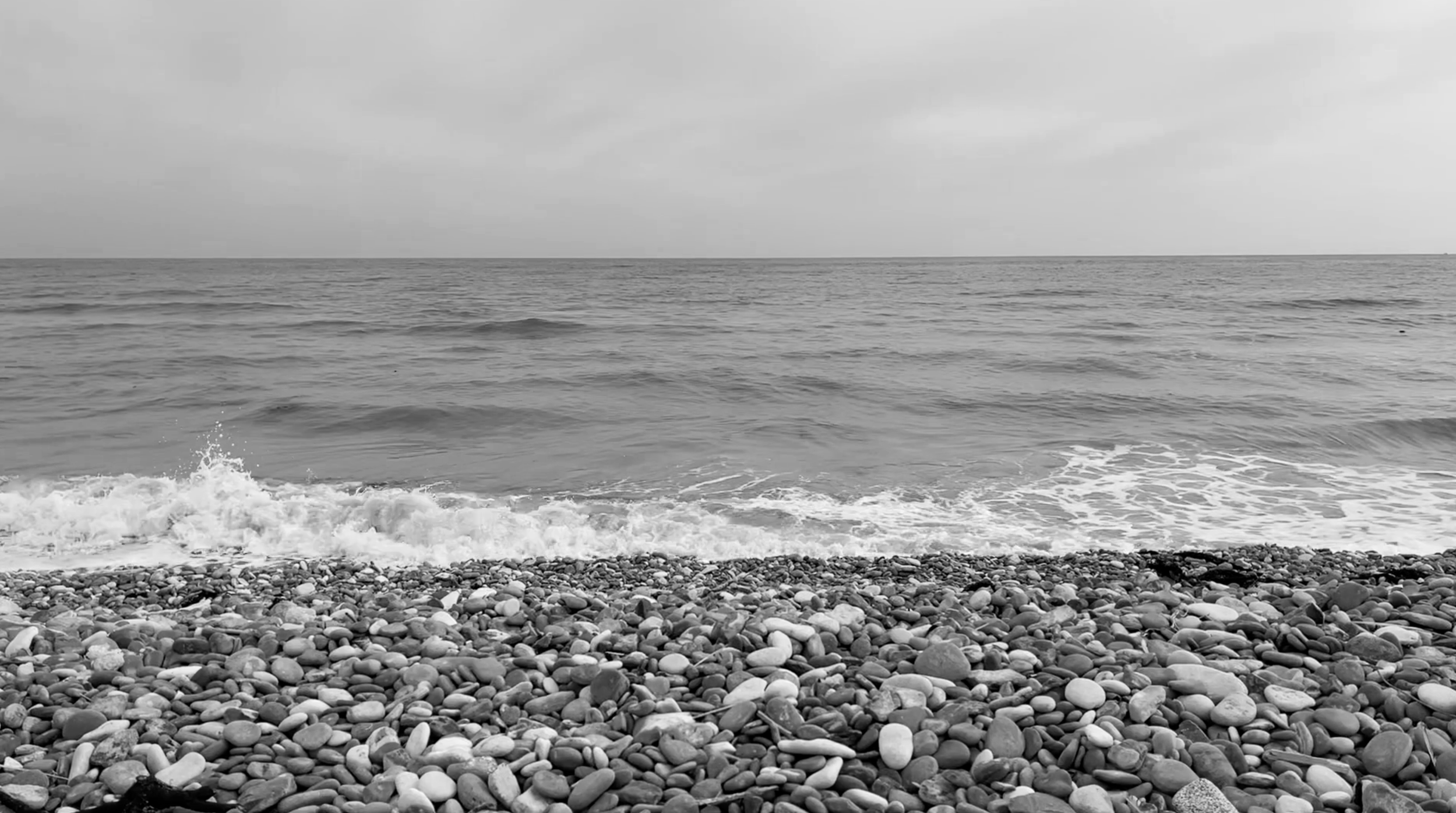
Omaha Beach, 2024. Photographs by Marcus Loeber.
In his words
Before composing, Marcus Loeber drove to Omaha Beach. He stood where Walter Rosenblum had stood on June 6, 1944 — not to research, but to feel the scale of it. The width of the beach. The distance to the water. What it would mean to run across it.
For the Dachau sequence, Loeber found something different — a sound rather than a melody. A tinnitus-like tone that holds beneath the image of what Rosenblum saw when he entered the camp. The music doesn't narrate the horror. It holds the silence that surrounds it, then slowly changes — because witnessing changes you.
The score moves between those two registers throughout: the wide open physical world of the battlefields, and the interior shock of what the camera recorded there. Between running for your life and standing still in front of the unimaginable.
NEW RELEASE
Listen now

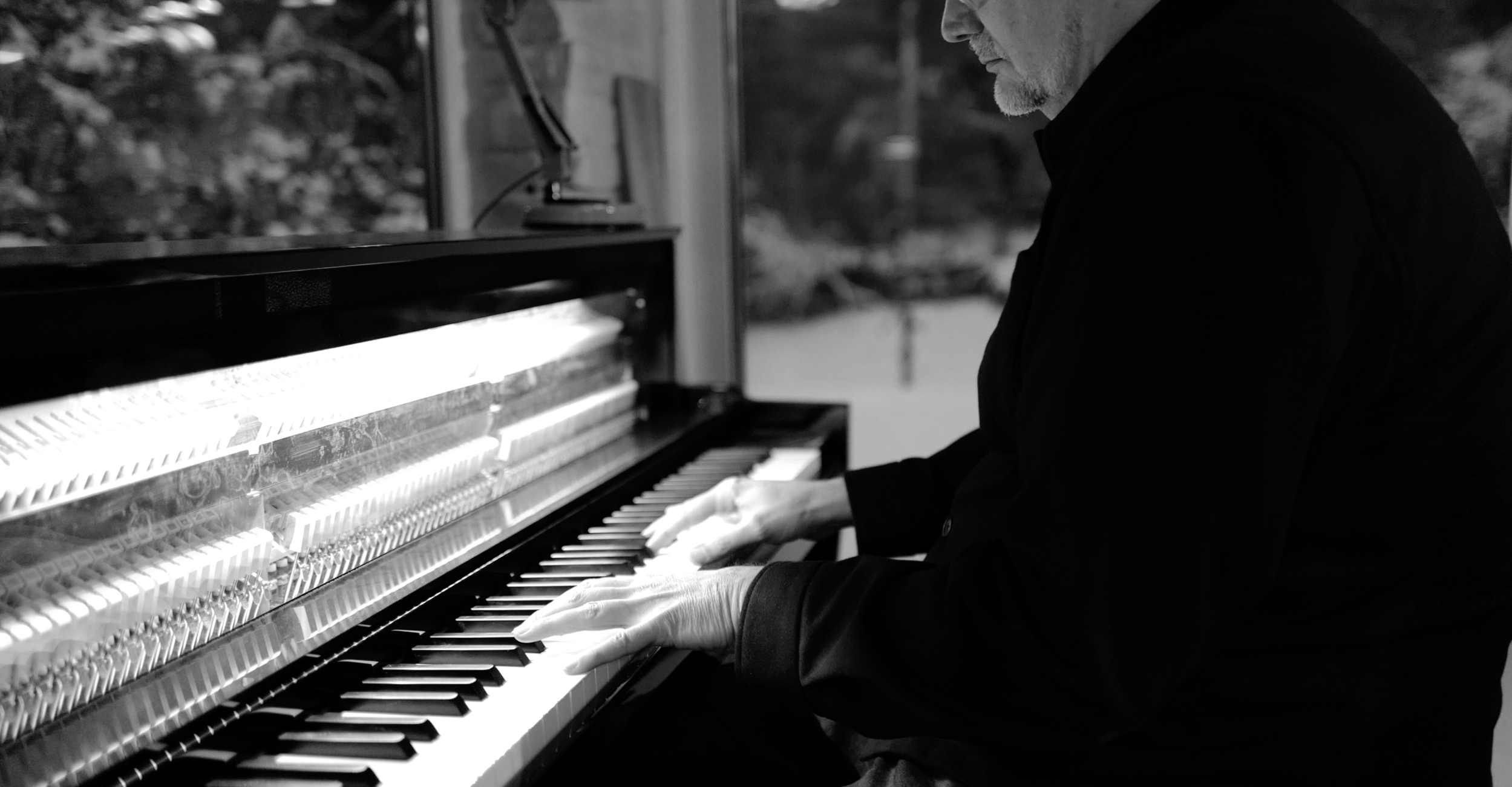
Composer
Marcus Loeber
German-born composer Marcus Loeber was introduced to music at the age of five. From six onwards he received classical piano training and began writing his own songs. In addition to studying the canon of classical musical works, he came into early contact with music from a wide variety of sources. Besides learning the piano, he also received percussion lessons. As a teenager he began to improvise extensively which today gives him the ability to free associate at the keyboard for hours on end. Ten years in various bands were followed by a solo career that continues to this day. Since 1992 he has worked as a commissioned composer for films, documentaries, and commercials. He has performed more than 1,500 public concerts in Europe, the USA, and Japan. He is a voting member of the German GEMA and the SUISA in Switzerland. From 2009-2016 he was a member of the Board of the German Composers Club.